The North Shore Water Alliance is standing at the front lines of a critical moment for the Flathead Valley. As our region experiences unprecedented growth, the "world-class" water quality we all cherish—from our deep-reaching aquifers to the shores of Flathead Lake—is facing long-term risks that cannot be ignored. Our mission is to advocate for scientifically sound, diligent oversight of both ground and surface water protection, ensuring that rapid development does not come at the expense of our environmental heritage. We believe that true protection requires an informed and active community willing to hold local and state governments accountable. We invite you to join us in this fight; your voice is essential in demanding the technical rigor and administrative transparency needed to safeguard our water for generations to come.
The Rapid Infiltration Proposal: Why the Science Says No
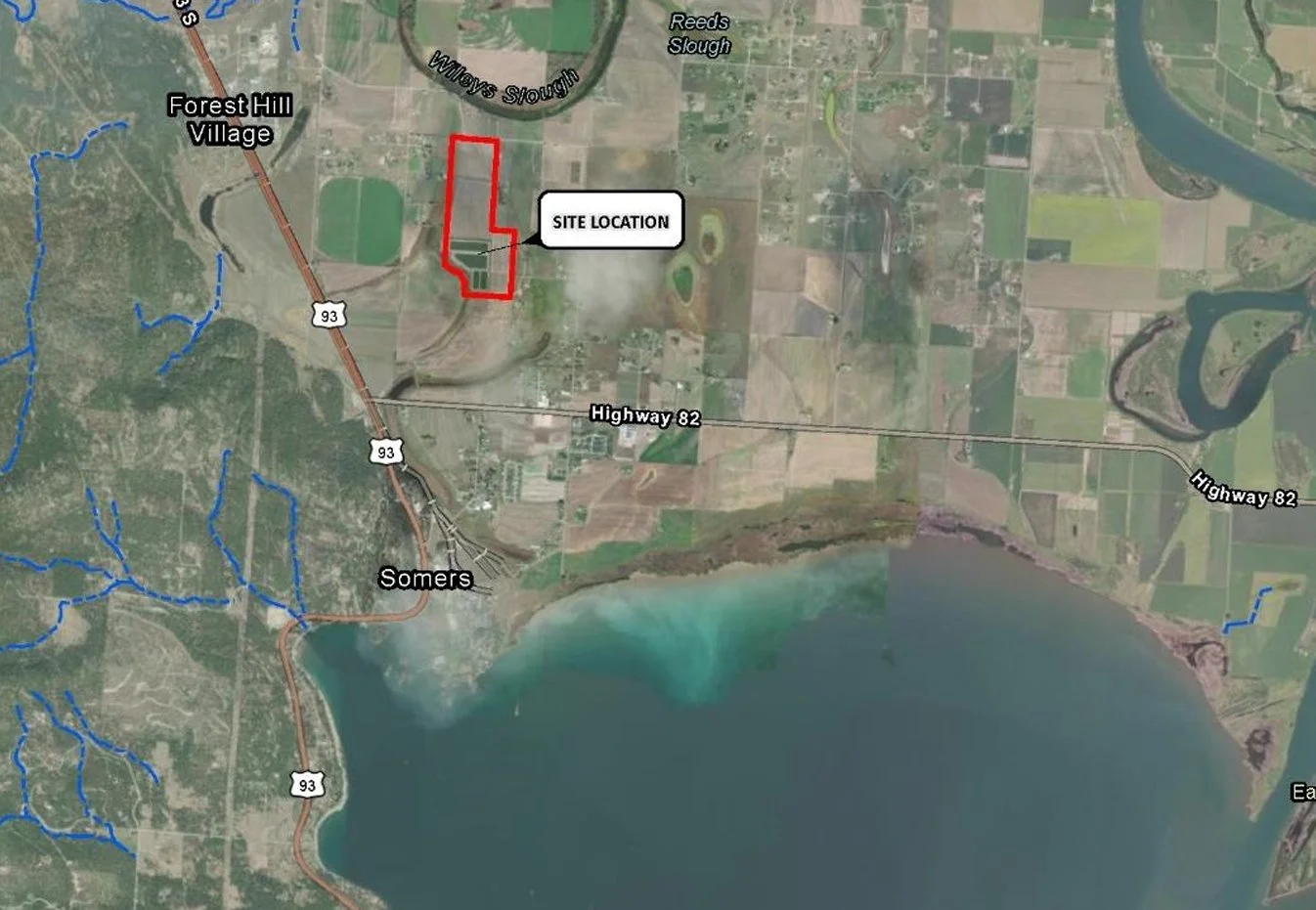
The Lakeside County Water and Sewer District (LCWSD) has secured a groundwater discharge permit from the DEQ to implement a system of Rapid Infiltration Basins (RIBs). Throughout the application process, the North Shore Water Alliance raised serious alarms regarding the high groundwater and its direct connection to the surface waters of the Lower Valley and Flathead Lake.
Despite multiple notices of deficiency and revisions to the plan, the final approved system still ignores the primary risk: discharging treated wastewater and county-wide septage into a hydrogeologically sensitive area. Our research, supported by independent experts, confirms this is the wrong location for a project of this scale. We are now working to hold the DEQ accountable for a permit that fails to protect our water.
5 Critical Risks the DEQ Ignored
Expert Analysis of the Lakeside Discharge Permit
Extreme Hydrogeological Sensitivity: Our experts identified the North Shore as one of the most vulnerable areas in the Flathead Valley. The "soil" here isn't just dirt—it’s a complex, shallow system that cannot safely filter the volume of wastewater proposed.
Direct Connectivity to Flathead Lake: Independent modeling shows that groundwater at the proposed site is directly connected to the surface waters of the Lower Valley. This means partially treated wastewater could reach Flathead Lake much faster than the DEQ’s estimates suggest.
The "Shallow Water" Problem: The Rapid Infiltration Basins (RIBs) will be discharging into very shallow groundwater. During high-water years, there is little to no "buffer zone" between the discharge point and the water table, increasing the risk of immediate contamination.
County-Wide Septage Risks: This permit doesn't just cover local Lakeside waste; it allows for highly concentrated septage from across the county. The DEQ failed to adequately account for the cumulative impact of these "heavy" pollutants on our local ecosystem.
Location, Location, Location: Our retained scientists were unanimous: of all the places to put a high-volume groundwater discharge system, this specific site is the worst possible choice. There are safer, more stable areas nearby that would not put our shoreline at risk.
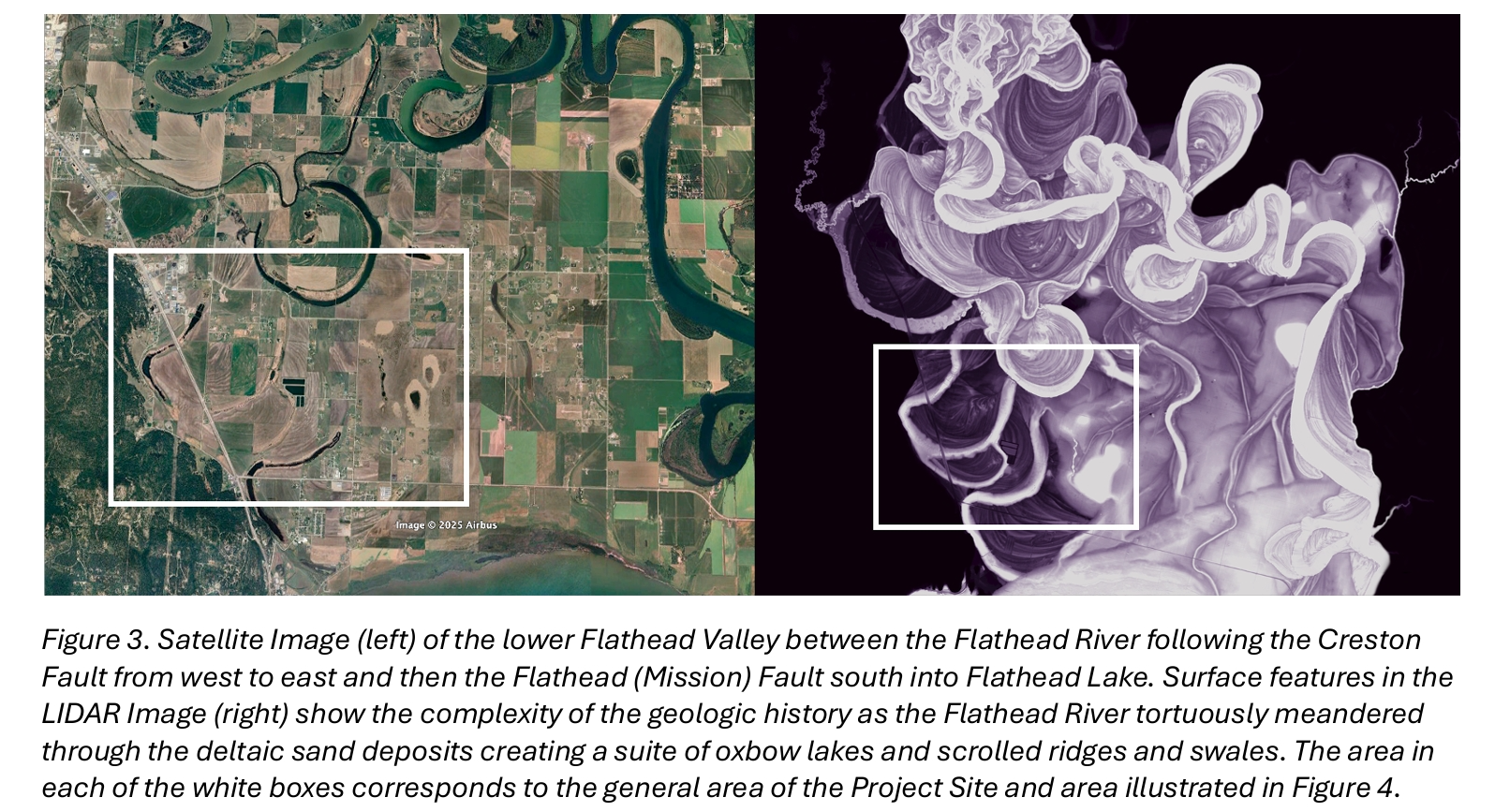
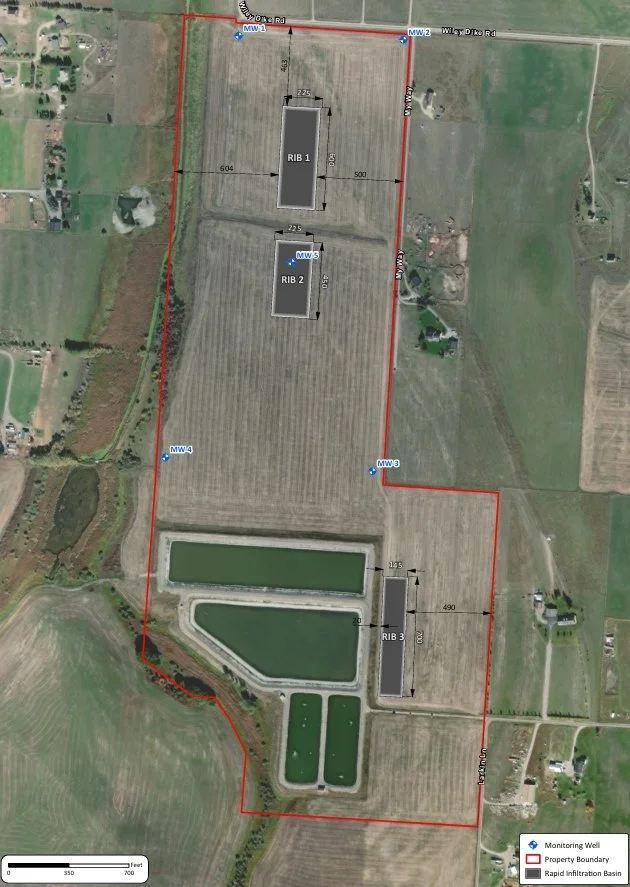
In a 2/16/2024 letter to Chris Boe, with Montana DEQ, regarding Lakeside County Water and Sewer District’s (LCWSD’s) pending application for a groundwater discharge permit from DEQ, Water Environmental Technologies (WET) engineer, Brad Bennett, PG Senior Hydrogeologist with WET stated:
“Please note that the fate and transport evaluation has resulted in modification to the proposed project, including the dimensions and location of RI basin areas and volume of water proposed for discharge, which has been reduced from 340,000 GPD to 200,000 GPD. Please let me know if you would like us to update the application submitted via the FACTS website.”
Something about this area forced LCWSD’s engineer to lower the proposed volume of discharge by 140,000 GPD (gallons per day). When Lakeside has stated they eventually want to dispose of 900,000 GPD. How will this site work for the future if it barely works for right now??
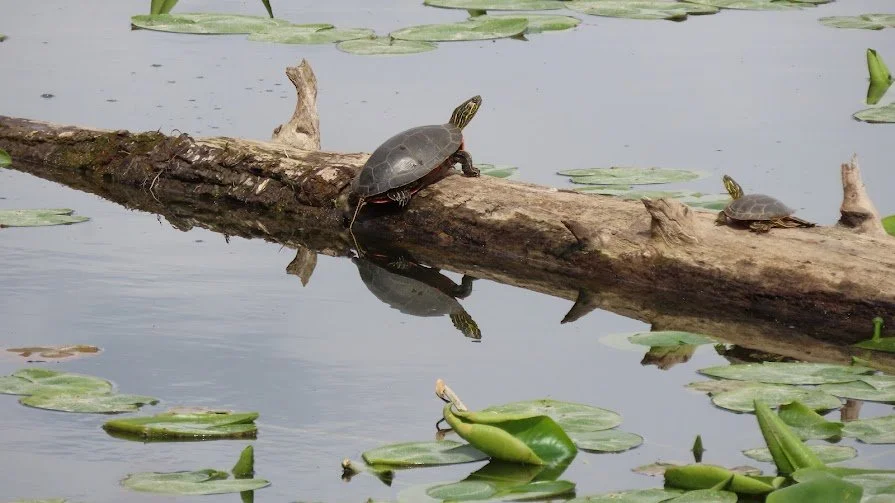
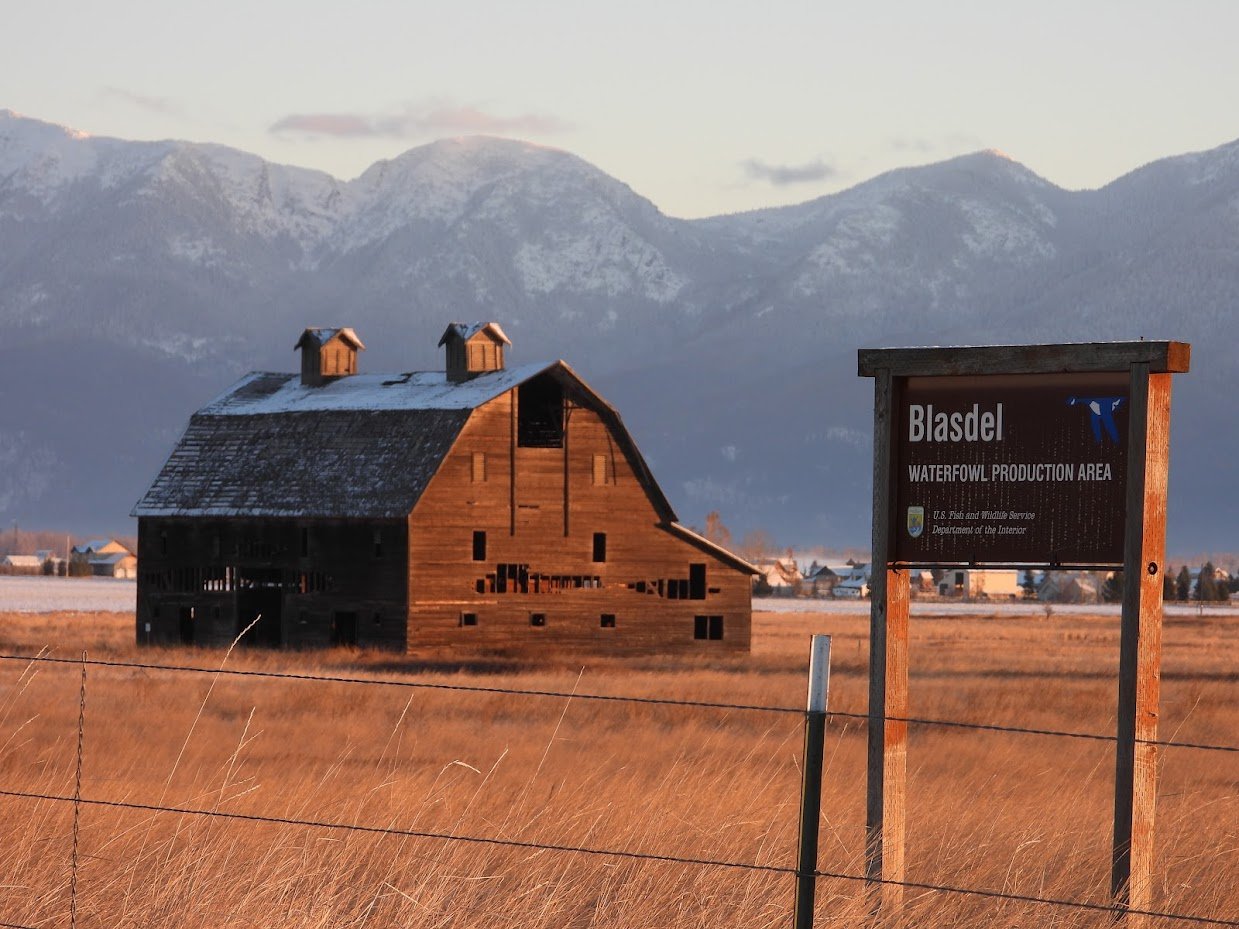
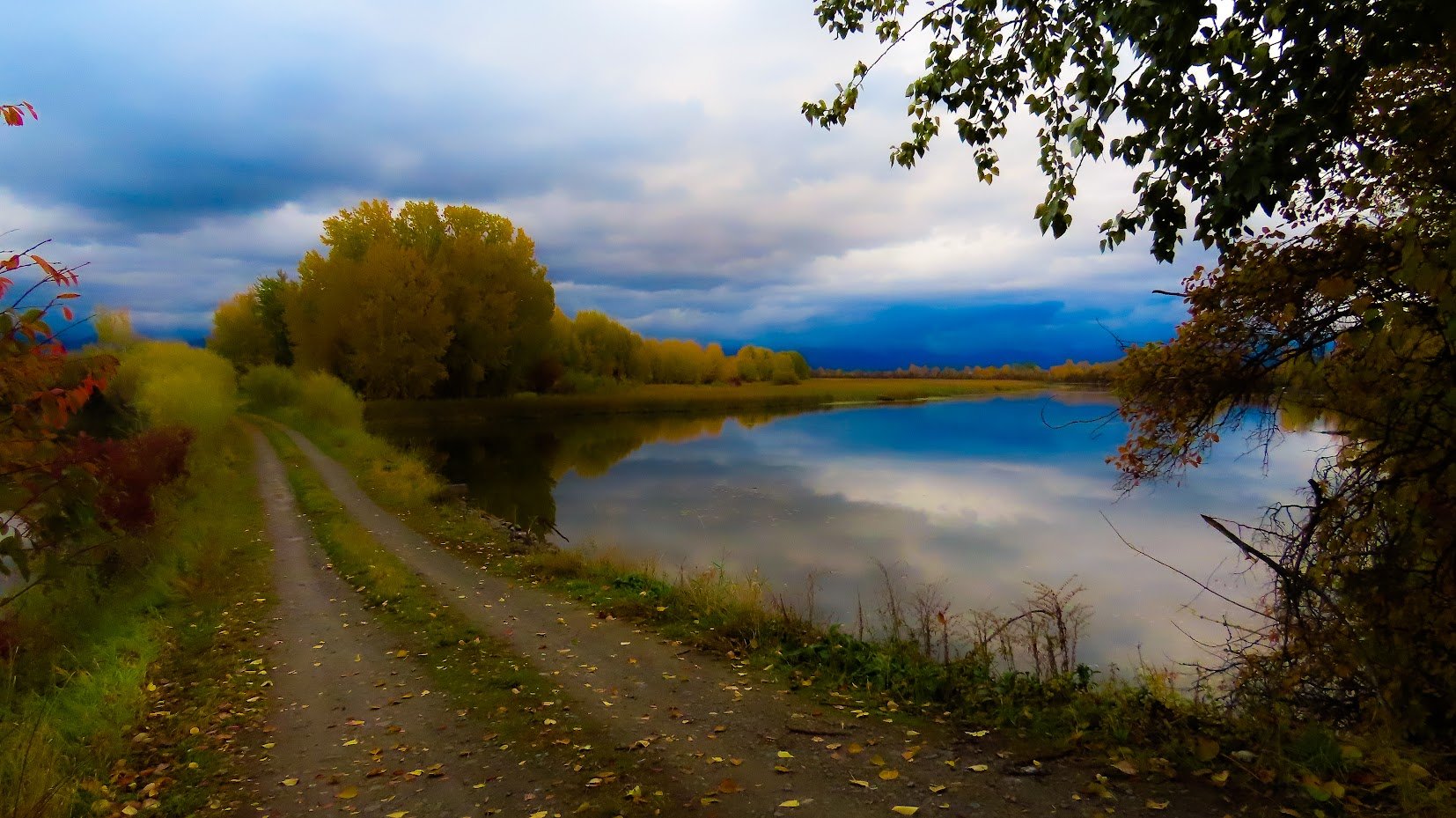
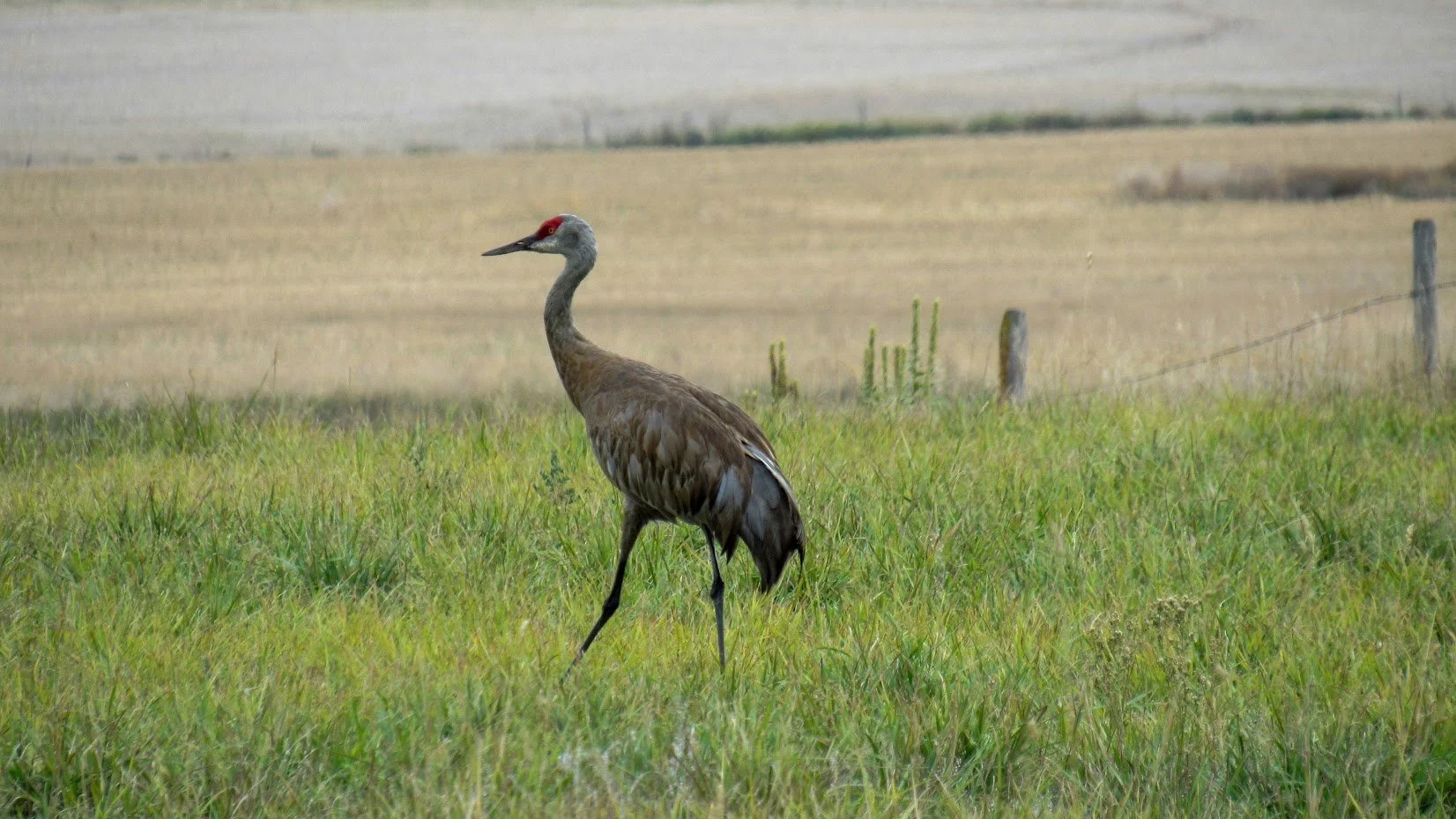
The site is close to critical protected lands, bird migration paths, abundant wildlife, livestock, agriculture farmland, historical homesteads, Wiley Slough and waterways to Flathead Lake.
Our water is our legacy, but rapid growth is putting the Flathead’s aquifers and surface waters at risk. The North Shore Water Alliance is a community-driven watchdog dedicated to ensuring our local and state governments perform their duties with the highest level of care. We need your voice to help us advocate for smarter protections and greater accountability. Get involved today and help us safeguard the North Shore’s water quality for tomorrow.